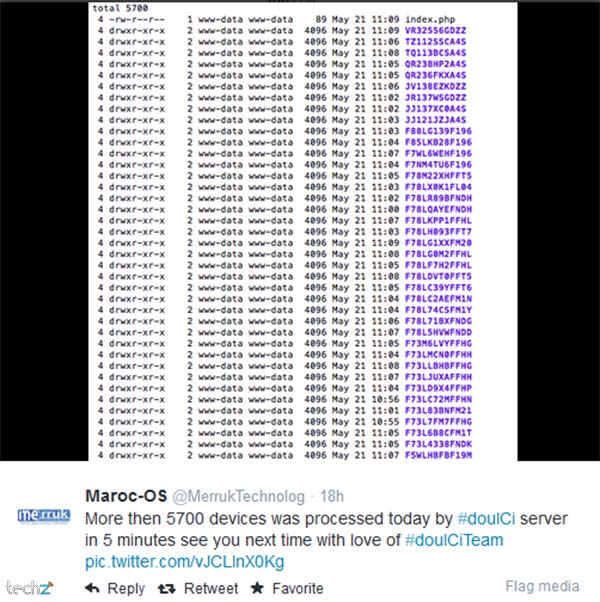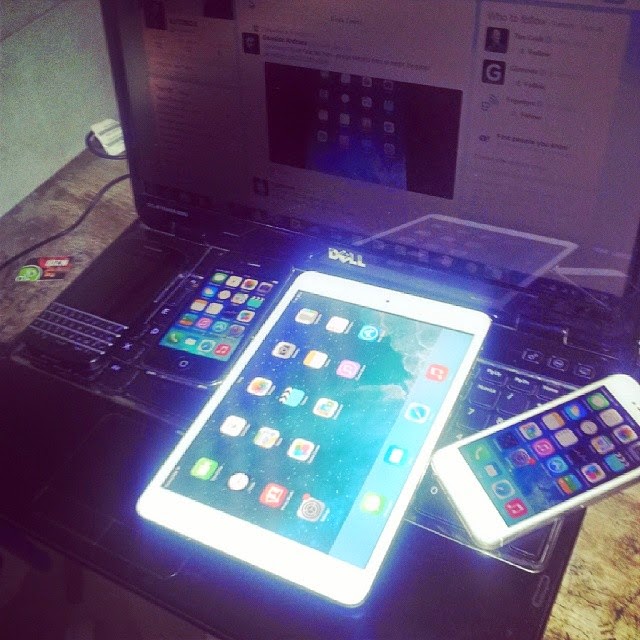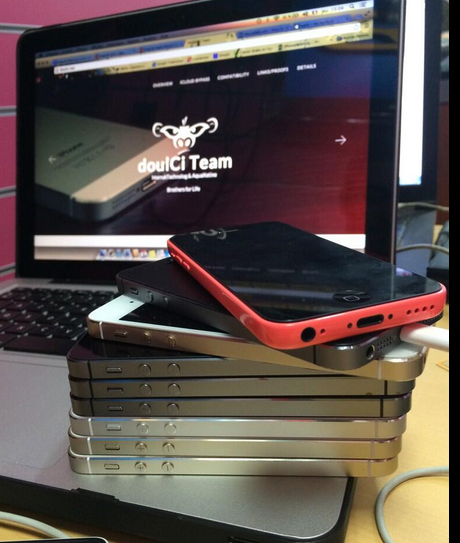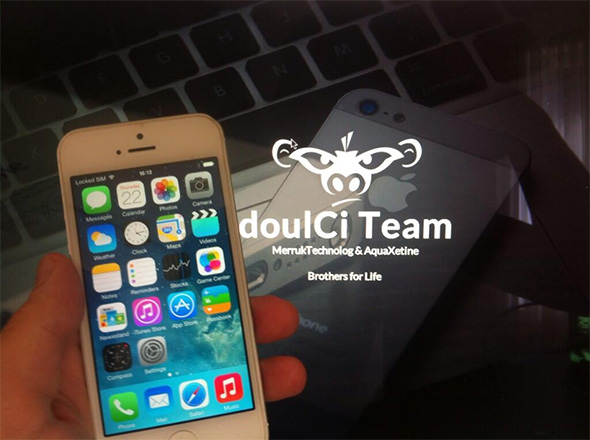
* doulCi Bypass Server source codes Cleaned, and soon in github.org, with the examples of codes you can build your own custom bypass server and know how-to activate iCloud with doulCi. Also! We are going to publish two new write up's about bypass hacks on this website.
* doulCi Activator ZIP files gotten from the web-searches is not a doulCi Team Software, we have not published any iCloud Bypass Software on the web. We just had doulCi Server with MAGIC LINE, and a video on youtube showing the software educative solution. Please Note that We are NOT RESPONSIBLE FOR ANY DAMAGES TO YOUR COMPUTERS IF YOU HAVE USED ONE OF THEM OR OTHER THINGS THEN DOULCI ICLOUD BYPASS SERVER WHEN IT WAS ONLINE.
The greatest trick of these scam artists is not that they copy @MerrukTechnolog (Maroc-OS) / @Merruk.
But it's when they make/tell everyone else think they are not!
- doulCi was built with love for people, to give them a second chance to get there iDevices working again (locally iCloud free, bypassed) for simple use, if you use iCloud we have made this project because we are thinking about you, and how we can be helpful for you and your family's safety. This amazing iCloud Hack tool called doulCi can bypass the iCloud Activation Lock and get your device working again, partially (we do not give you a bypass to forgot password for iCloud, login iCloud email, personal iCloud activation infos or how to use iCloud but we give you just a hack iCloud help with our free service to bypass it if you know how to activate iCloud with this tool), so you can get back your digital life, contacts, mail, notes, etc... Without giving you a full access to the cellular network, or a full functional device, because we are not sure that you are the real owner of this bypassed iDevice.
- doulCi bypass is built only for personal use, and conditionally for the original owners which have lost/got hacked or forgot there iCloud login informations. Please! Use it at your own risk.
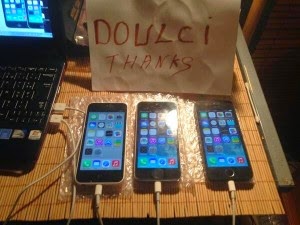
Thanks for all the grateful people who we love. And because they believe in us and our free iCloud bypass service.
In the intricate ecosystem of personal computing, few things are as simultaneously mundane and mysterious as the Universal Serial Bus (USB) device. Every USB peripheral, from a simple mouse to a complex external drive, carries a digital fingerprint: a Vendor ID (VID) and a Product ID (PID). These codes, assigned by the USB Implementers Forum, are meant to bring order to the digital world, allowing an operating system to identify and load the correct driver for a piece of hardware. However, the identifier pair VID 0x0FE6 & PID 0x9900 tells a different story—one not of orderly identification, but of ambiguity, legacy technology, and the occasional nightmare of tech support.
In conclusion, USB VID 0x0FE6 & PID 0x9900 is more than a technical specification; it is a cautionary tale. It reminds us that the smooth, plug-and-play world of modern computing is a fragile illusion, maintained by strict adherence to standards. When a manufacturer cuts corners—reusing identifiers, omitting proper certification, or relying on outdated chips—the result is a digital ghost. The device physically exists, its electrical signals are correct, but its digital voice speaks in a dialect the computer has forgotten. For the user who encounters it, the path forward is a deep dive into legacy drivers and forum threads, a small but memorable battle against the entropy of the digital age. usb vid-0fe6 amp-pid-9900
The central irony of VID 0x0FE6 & PID 0x9900 is that its most defining feature is not what it does, but how poorly it announces itself. In a well-behaved USB device, the VID/PID pair provides a unique key for the operating system to locate a driver. Windows, for example, uses Windows Update to fetch the correct file. For this device, that system often fails. The VID/PID points to a niche industrial vendor, but the device itself is a mass-produced, bottom-of-the-barrel consumer gadget. Consequently, Windows frequently labels it with a generic error: "Device Descriptor Request Failed" or simply an exclamation mark in Device Manager. The user is left with a functional piece of silicon and a non-functional operating system, a ghost in the port. In the intricate ecosystem of personal computing, few
Beyond the technical frustration, this specific USB device serves as a cultural artifact of the "grey market" hardware economy. It represents the gap between the formal, standardized world of technology certification and the chaotic reality of global manufacturing. A factory in China produces thousands of these dongles, programs them with the same borrowed or legacy VID/PID, and sells them on eBay or Amazon for a few dollars. The buyer sees a cheap solution; the engineer sees a potential support nightmare. The device does not maliciously spy or fail; it simply misbehaves in a way that is more infuriating than outright malfunction. However, the identifier pair VID 0x0FE6 & PID
knightofkanto"Thanks from Las Vegas iPod touch 5th gen (3 including the one I'm using )"
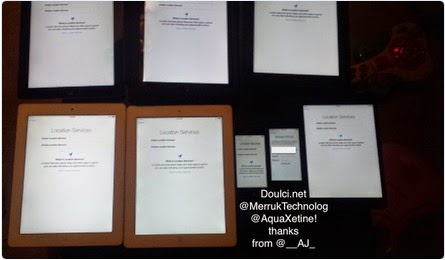
Mr. Oak"I already told you that you're THE BEST, AMAZING, MASTER. I really thanks you"
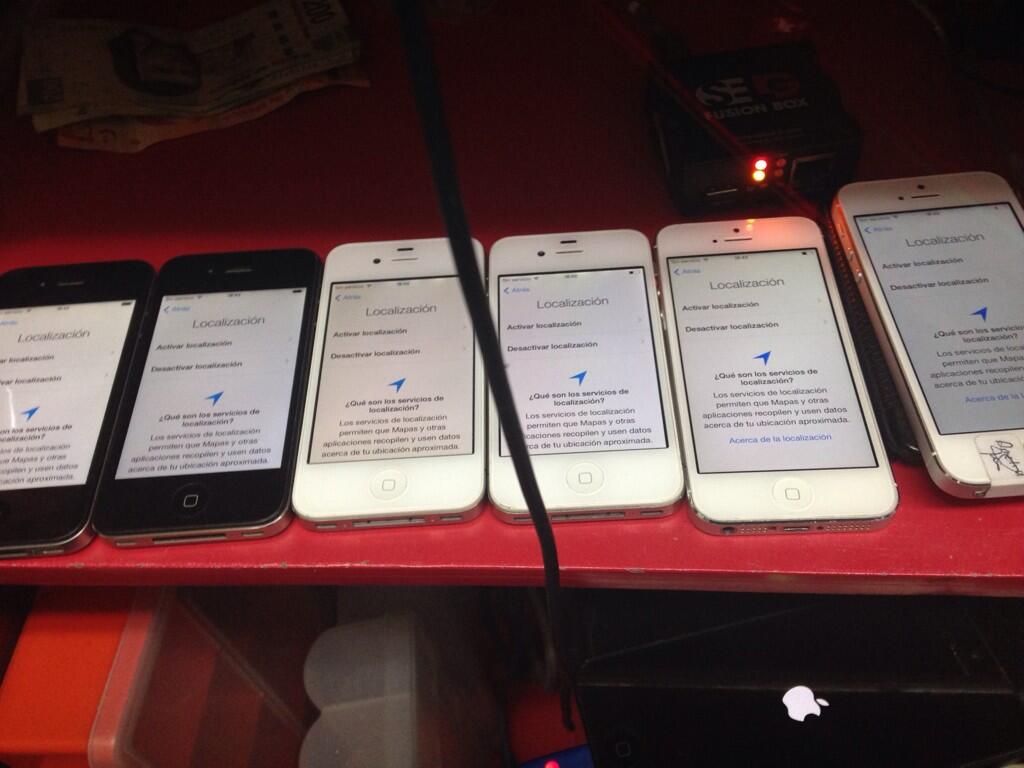
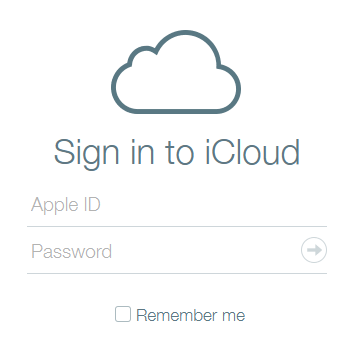
iCloud Bypass : doulCi is the world's first alternative iCloud server, and the world's first iCloud Activation Bypass. doulCi will bypass and activate your iDevice for you when you are stuck at the activation menu.
So, why would you use it? For example, if you have forgot your iCloud email Apple ID or password, or you are no longer have access to your old iTunes email account, then its impossible to regain control of your Apple Product! no iCloud mail account will be given to you. doulCi iCloud bypass server is the only solution on the web that will enable you to regain the permanent access of your Apple iDevice and give it back to you without using the original icloud account email and password, but there is some limitation, you have no control of cellular data and no cellular network.
More Information and iCloud help will follow soon if you forgot iCloud! so stay tuned on merruk.com or doulci.com
We Had Support for All Apple iDevices!
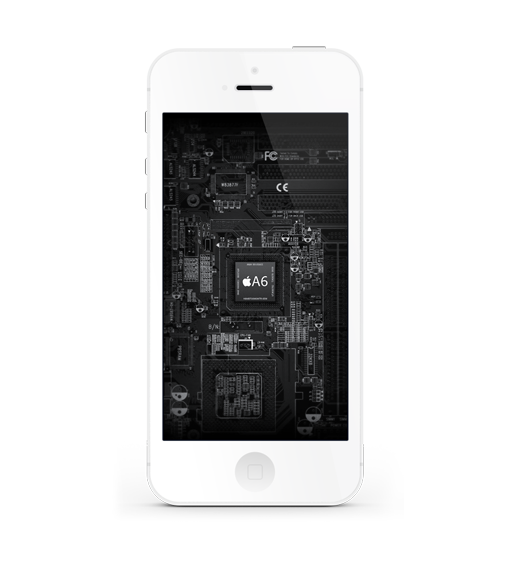
GSM iPad's and iPhone 4S, iPhone 5 (C) (C), Still In Beta Testing, and needs a SIM Card with pin active on it to bypass the activation loop state. Please follow doulCi Team members on twitter or the Official doulCi websites for daily updates.

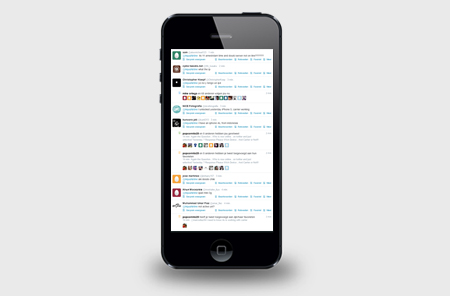
This is the first conversation that proof what gadgetwide using as server is the real and only working platform (doulCi).




In the intricate ecosystem of personal computing, few things are as simultaneously mundane and mysterious as the Universal Serial Bus (USB) device. Every USB peripheral, from a simple mouse to a complex external drive, carries a digital fingerprint: a Vendor ID (VID) and a Product ID (PID). These codes, assigned by the USB Implementers Forum, are meant to bring order to the digital world, allowing an operating system to identify and load the correct driver for a piece of hardware. However, the identifier pair VID 0x0FE6 & PID 0x9900 tells a different story—one not of orderly identification, but of ambiguity, legacy technology, and the occasional nightmare of tech support.
In conclusion, USB VID 0x0FE6 & PID 0x9900 is more than a technical specification; it is a cautionary tale. It reminds us that the smooth, plug-and-play world of modern computing is a fragile illusion, maintained by strict adherence to standards. When a manufacturer cuts corners—reusing identifiers, omitting proper certification, or relying on outdated chips—the result is a digital ghost. The device physically exists, its electrical signals are correct, but its digital voice speaks in a dialect the computer has forgotten. For the user who encounters it, the path forward is a deep dive into legacy drivers and forum threads, a small but memorable battle against the entropy of the digital age.
The central irony of VID 0x0FE6 & PID 0x9900 is that its most defining feature is not what it does, but how poorly it announces itself. In a well-behaved USB device, the VID/PID pair provides a unique key for the operating system to locate a driver. Windows, for example, uses Windows Update to fetch the correct file. For this device, that system often fails. The VID/PID points to a niche industrial vendor, but the device itself is a mass-produced, bottom-of-the-barrel consumer gadget. Consequently, Windows frequently labels it with a generic error: "Device Descriptor Request Failed" or simply an exclamation mark in Device Manager. The user is left with a functional piece of silicon and a non-functional operating system, a ghost in the port.
Beyond the technical frustration, this specific USB device serves as a cultural artifact of the "grey market" hardware economy. It represents the gap between the formal, standardized world of technology certification and the chaotic reality of global manufacturing. A factory in China produces thousands of these dongles, programs them with the same borrowed or legacy VID/PID, and sells them on eBay or Amazon for a few dollars. The buyer sees a cheap solution; the engineer sees a potential support nightmare. The device does not maliciously spy or fail; it simply misbehaves in a way that is more infuriating than outright malfunction.

© 2014-2016 Merruk Technology, SARL. Designed by Merruk.com. All rights reserved.